In a period of technological advancement and innovation, we have witnessed a paradigm-shifting change in how industries operate. Automation and robotics have been used by major players in diverse sectors to improve productivity, streamline processes and help gain competitive advantages on the market. Robotics is at the center of this change. It covers design implementation, integration and deployment of robot solutions across multiple industries.
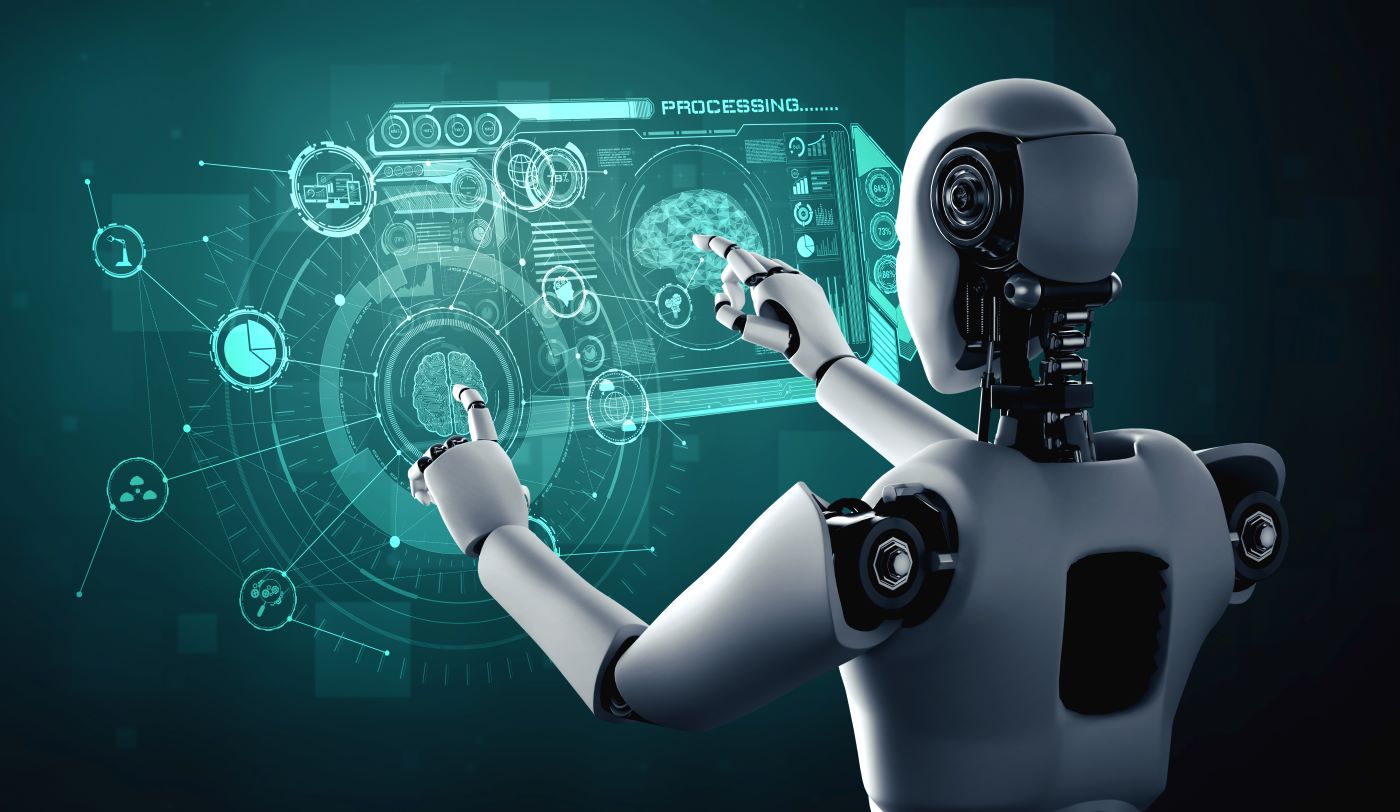
Understanding Robotics Applications
Robotics is the field of science and engineering discipline that concentrates on the creation, construction of, operation, and use of robots. A robot is a device that is capable of performing tasks without the guidance of a human. These machines can carry out repetitive or intricate tasks, often in environments that are challenging or hazardous for humans.
The realm of robotics extends beyond simple automation. It encompasses a range of technologies that are designed to revolutionize industries and improve human lives. From healthcare and manufacturing to entertainment and logistics robots are finding their way into diverse domains, presenting a myriad of innovative possibilities.
The Rise of Automation – A Paradigm Change
Automation, and specifically robotic automation is at the center of the current industrial revolution. The integration of automated systems has dramatically altered the way businesses operate, optimizing processes and increasing efficiency. Automation involves allowing robots or machines to perform tasks with minimal or no human interaction, while using technology to boost speed performance, accuracy, and precision.
Robotic automation refers to the process of using robots to perform jobs that were previously performed by humans. The robots are developed to resemble human actions which makes them a versatile asset across industries. Robots are changing how people work.
Robotic Process Automation (RPA) is the first to achieve efficiency
Robotic Process Automation (RPA) is a specific type of automation that involves the use of robots to automate repetitive, rule-based tasks within business processes. RPA employs software robots or “bots” to carry out routine operations. This allows human employees to focus on more difficult tasks.
The incorporation of RPA into the business process has proven to be a game changer, it brings agility, efficiency, and cost-efficiency to many sectors. RPA has changed workflows in many areas, including processing and billing data to HR and customer service.
Advancing Industries with Fanuc Robots
Fanuc is one of the most prominent players in robotics. They specialize in creating integration, installing, and integrating robots across a range of industries. Fanuc robots are renowned for dependability, precision, and flexibility. They are used in a myriad of industries.
By integrating Fanuc robots, industries can revolutionize their operations. These robots are engineered to boost throughput, preserve high standards and improve overall efficiency. Fanuc’s revolutionary solutions have been created to enhance security by removing workers from dangerous work.
Fanuc: the advantage in the race to be competitive in driving
Industries that embrace Fanuc robots have a competitive advantage within their market. Integration of Fanuc robots results in faster ROI (ROI) due to improved efficiency and productivity. Through automation of repetitive tasks and work-intensive tasks, enterprises can reallocate resources for tasks that require inventive problem-solving, critical thinking and creativity.
Fanuc also offers solutions for robots that are tailored to the particular requirements of each industry. Fanuc’s innovative approach to designing and using robots allows industries the ability to quickly respond to market changes, stay competitive and continue to achieve growth.
Future A glimpse
The landscape of robotics technology, automation, and automation will likely to evolve as technology advances. The future will bring artificial intelligence improvements sensors that are more accurate, and increased collaboration with robots.
In conclusion, the integration of robots and automation, like Robotic Process Automation and Fanuc robots is transforming industries and propelling them towards the future. The advantages of robots have enabled companies to not only succeed in today’s competitive world, but also pioneer new frontiers of technological innovation. We are in the midst of a brand-new era and the effects of automation, robotics and technological advancements will be evident for years to come.